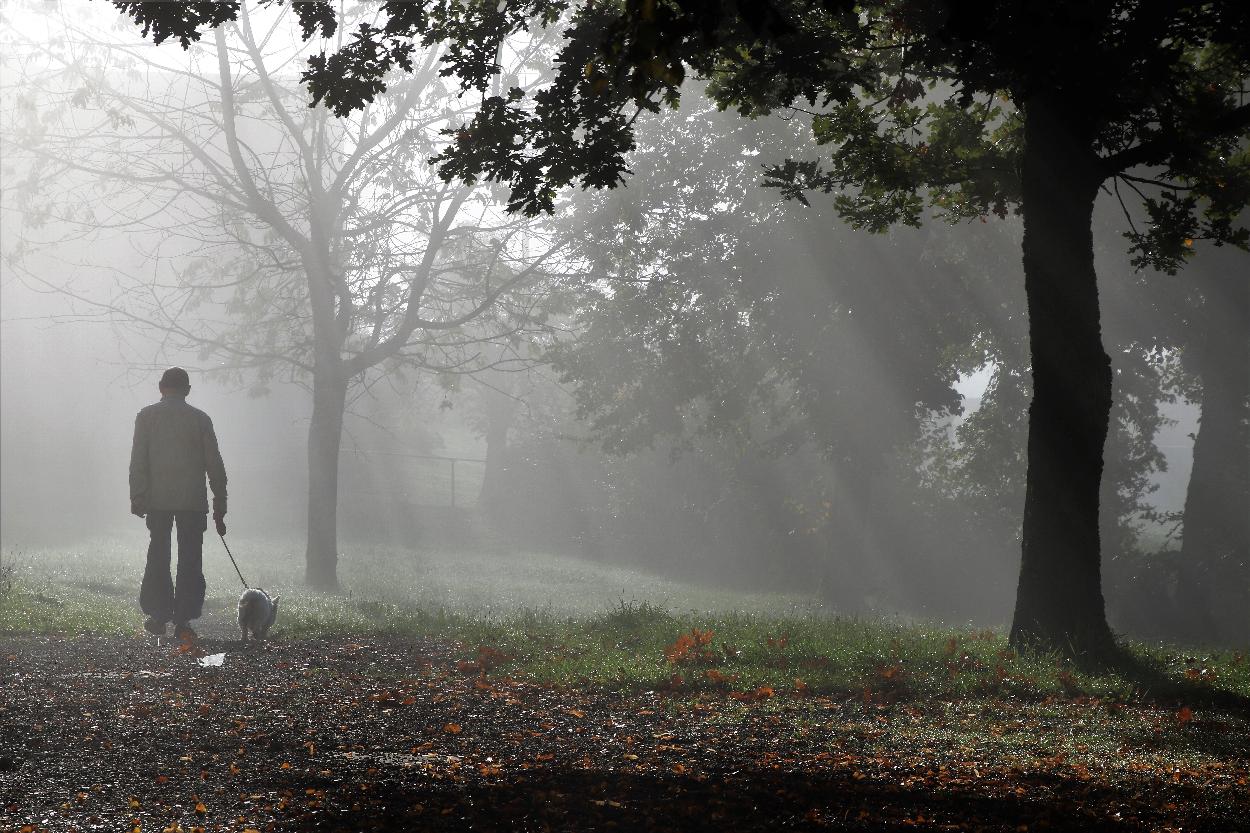
The emotional loneliness of grief, and why being surrounded by people doesn't always mean feeling understood.
There is a particular kind of loneliness that can come with grief, and it isn't necessarily about being physically alone.
You might have a family who cares about you. Friends who regularly send messages. Colleagues who ask how you're getting on. You may even have people you could phone right now if you wanted to.
Yet somewhere underneath all of that, you still feel alone.
Sometimes people find this difficult to admit because they look at the support they have and think they should be grateful. They tell themselves other people have it worse, or that they can't possibly be lonely because they're rarely actually by themselves.
But perhaps loneliness isn't always about the number of people around you. Perhaps sometimes it's about how much of your real experience you feel able to share with them.
As a grief and loss counsellor working with people in Huddersfield and online across the UK, this is something I hear more often than you might imagine. People don't always call it loneliness at first. They might tell me, "Nobody really gets it," or "I'm tired of trying to explain how I feel."
Sometimes they'll simply say:
"I feel different from everyone else now."
When we gently explore what's underneath that, loneliness is often sitting somewhere in the middle of it.
“Why do I feel lonely when people are trying to support me?”
Being supported and feeling understood aren't necessarily the same thing.
Someone can love you deeply and still not understand what it's like to wake up every morning and remember again that the person you love is dead. They can sit beside you, listen to you and desperately want to make things easier, yet still be unable to enter the particular world you're now living in.
That doesn't mean they're doing anything wrong. It doesn't mean you're ungrateful for their support either.
It simply means grief can be an intensely personal experience.
The relationship you had with the person who died belonged to you. Your memories, regrets, unfinished conversations and sense of what you've lost are uniquely yours too. Even other people grieving the same death may experience it very differently.
Sometimes that realisation can feel surprisingly isolating.
You may find yourself sitting in a room full of people who loved the person too and still thinking, "None of you know what this feels like for me."
“Why can't I tell people how I'm really feeling?”
This is where emotional loneliness can become complicated, because sometimes people are available to listen, but you stop telling them.
Perhaps you've noticed their expression change when you mention the person who died. Maybe someone has told you that you need to start looking forward, or reassured you that your loved one "wouldn't want you to be sad."
Perhaps nobody has said anything particularly wrong at all. You've simply become conscious that you're repeating yourself.
You've told the same story before.
You've talked about the same regret.
You've cried over the same memory.
Eventually a thought creeps in:
"They must be tired of hearing about this."
So the next time someone asks how you are, you say, "I'm okay."
Not because you're okay, necessarily, but because explaining everything feels exhausting.
Over time, something strange can happen. The more convincingly you appear to be coping, the less people ask whether you are.
Then another thought arrives:
"Nobody asks me anymore."
That can hurt enormously. There can be a painful contradiction here. Part of you doesn't want to talk, while another part desperately wants someone to notice that you're not talking.
Both can be true.
“Why have people stopped asking about my grief?”
The early days after a death can be incredibly busy. Messages arrive. People check in. There may be practical things to organise and conversations about what happened.
Then gradually, other people's lives resume.
The messages become less frequent. The person's name is mentioned less often. People stop asking because they don't want to upset you, or because they assume you're doing better.
Meanwhile, your relationship with the loss is continuing. You may actually be understanding the permanence of what has happened more deeply just as everyone around you seems to be talking about it less.
This can create a painful sense that the world has moved on from something that still occupies an enormous amount of space in yours.
One of the things grieving people sometimes tell me is that they don't necessarily need someone to fix anything. They would simply like somebody else to remember.
To say their person's name. To ask what they were like. To acknowledge an anniversary without being reminded.
There is something profoundly connecting about knowing that the person who mattered so much to you still exists in somebody else's thoughts too.
“Why have I started avoiding people since they died?”
Sometimes loneliness after bereavement isn't only about other people withdrawing. Sometimes you withdraw too.
Socialising can require energy you simply don't have. Conversations that once felt ordinary can suddenly seem trivial. Listening to people complain about everyday problems can irritate you in ways it never did before.
You might find yourself watching people laugh, make plans and talk casually about the future and feel as though you're observing a world you no longer quite belong to.
Then there's the question everyone asks:
"How are you?"
Sometimes even that feels exhausting because you have to decide which answer they want.
The polite answer? The honest answer? The answer that doesn't make the conversation uncomfortable?
Staying home can feel easier, but what protects you from exhausting interactions can also gradually increase the sense of isolation.
That doesn't mean you should force yourself to socialise. It simply means it can be worth becoming curious about what you're withdrawing from and what you might actually be needing instead.
“Why do I want someone to be there but also want everyone to leave me alone?”
This is something I wish we talked about more. Grief can create an enormous need for connection while simultaneously making connection difficult.
You may want someone beside you but not want to talk. You might desperately want a friend to ask how you are and then immediately wish they hadn't.
You may accept an invitation and regret it as soon as you arrive. None of this means you don't know what you want. It may simply mean your needs are changing from moment to moment.
Sometimes what we need isn't conversation or advice. It's simply the experience of being with someone without having to perform.
Someone who doesn't need you to be interesting. Someone who doesn't panic when you're sad. Someone who can tolerate the silence.
That kind of connection can feel very different from simply having company.
What I might gently ask if we were sitting together
If you told me you felt alone in your grief, I wouldn't immediately ask how many people you had around you.
I might be more curious about something else:
"If you didn't have to worry about upsetting anyone, burdening anyone or making anyone uncomfortable, what would you really like to say about how you're feeling?"
There isn't a correct answer. Perhaps you'd want to say that you're angry nobody mentions them anymore. Perhaps you'd admit that you're tired of being the person everyone thinks is coping.
Maybe you'd want to talk about something you've already talked about twenty times because you still haven't made sense of it. Or perhaps you'd simply say:
"I miss them, and I need somebody to understand how much."
Sometimes the loneliness begins to make more sense when we understand what we've been holding back.
Can counselling help with loneliness after bereavement?
Counselling can't replace the person who died, and it can't guarantee that everyone around you will understand your grief in the way you need them to.
What it can offer is somewhere you don't have to edit yourself.
You don't have to decide whether you've talked about something too many times. You don't have to protect me from your sadness or worry that you're bringing the mood down. You can talk about the person who died, but you can also talk about anger, resentment, relief, guilt, jealousy or anything else that feels difficult to admit outside the counselling room.
Sometimes simply experiencing what it's like to be fully heard can begin to change something.
We can also become curious about what connection looks like for you now. Which relationships feel safe? Where are you masking? What do you wish people understood? Are there ways of letting someone a little closer without feeling as though you have to explain everything?
There isn't one answer because there isn't one experience of grief. The work is about understanding yours.
My Reflection
Something I've noticed in my work is that people can become very good at protecting everyone else from their grief.
They change the subject when somebody looks uncomfortable. They reassure other people that they're doing okay. They stop mentioning the person who died because they don't want every conversation to become sad.
Often this comes from caring for the people around them, but sometimes I wonder what it costs, because if nobody gets to see the parts of you that are still struggling, it's very easy to start believing nobody would understand them.
That won't be true for everyone, and sometimes people genuinely don't have the support they need around them. But I think it's worth gently asking ourselves whether we're alone because nobody is there, or whether somewhere along the way we've stopped allowing people to see where we really are.
Sometimes it's a little of both.
The part I'd like you to take away
If you feel lonely in your grief despite having people around you, you don't need to justify it.
Emotional loneliness isn't a criticism of the people who love you. Nor does it mean there's something wrong with you.
Sometimes it's simply the experience of carrying something enormous that feels difficult to put into words.
You may not need more people. You may need somewhere you can be more fully yourself.
Somewhere you don't have to say "I'm fine" because explaining the truth feels too difficult. Somewhere the person who died can still be talked about. Somewhere your grief doesn't have to become smaller to make somebody else comfortable.
A gentle next step
If you've been feeling alone in your grief, even when you're surrounded by people who care about you, counselling can give you somewhere to explore what that loneliness is really about.
I offer grief and loss counselling, including specialist support following suicide bereavement, in Huddersfield and online across the UK.
You don't need to arrive knowing what you want to talk about, and you don't have to find the perfect words for how you feel. We can start with whatever is there.
Sometimes even:
"I don't really know why I'm here. I just feel so alone."
That's enough to begin.
Joanne Reed, Grief, Loss & Suicide Bereavement Counsellor